Polar animal photography
In today’s world, Arctic animals are central to discussions about global warming. Photos of polar bears on drifting icebergs frequently serve to highlight the effects of melting ice.
IGWT represents numerous artists specializing in polar animal photography.
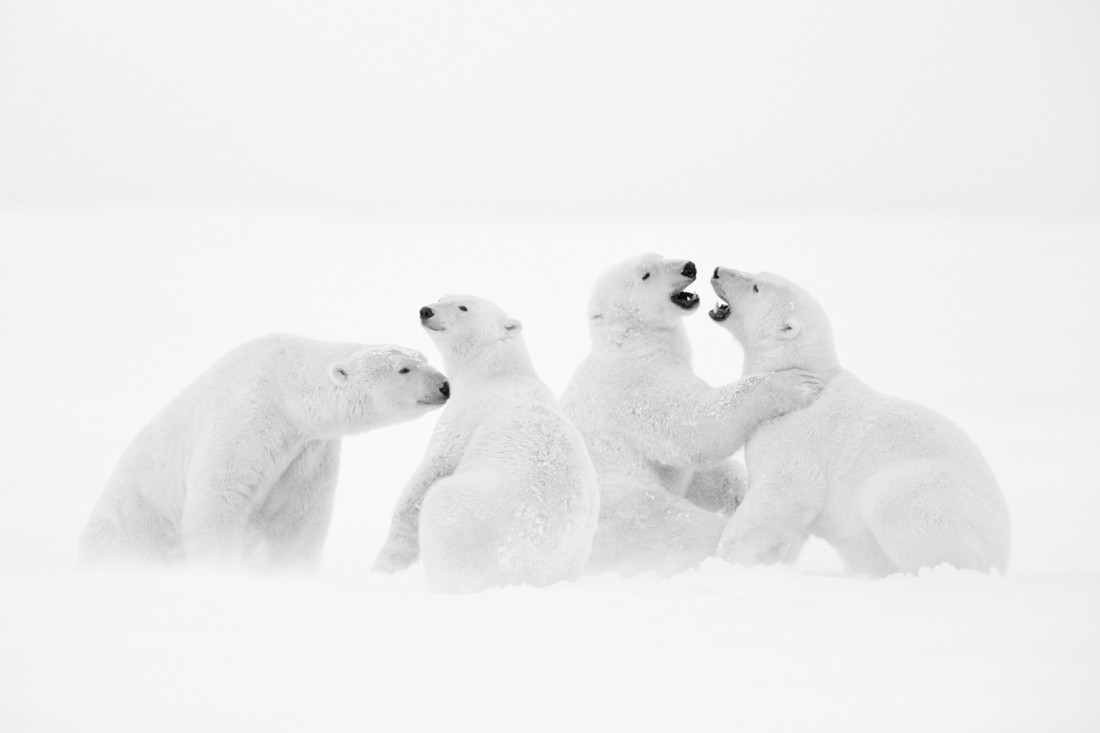
Kyriakos Kaziras, White Symphony
What are the sea ice animals?
Polar species are incredibly diverse, ranging from killer whales to narwhals and walruses, all inhabiting the ice floes and polar waters. They present exceptional subjects for wildlife photographers.
Narwhal: the unicorn of the seas
The narwhal is a marine mammal found in the Arctic Ocean’s deep waters. It features a small head and a long body, with its most distinctive feature being its horn, which can measure up to three meters in length and weigh ten kilograms.
Paul Nicklen has successfully photographed these extraordinary horns.
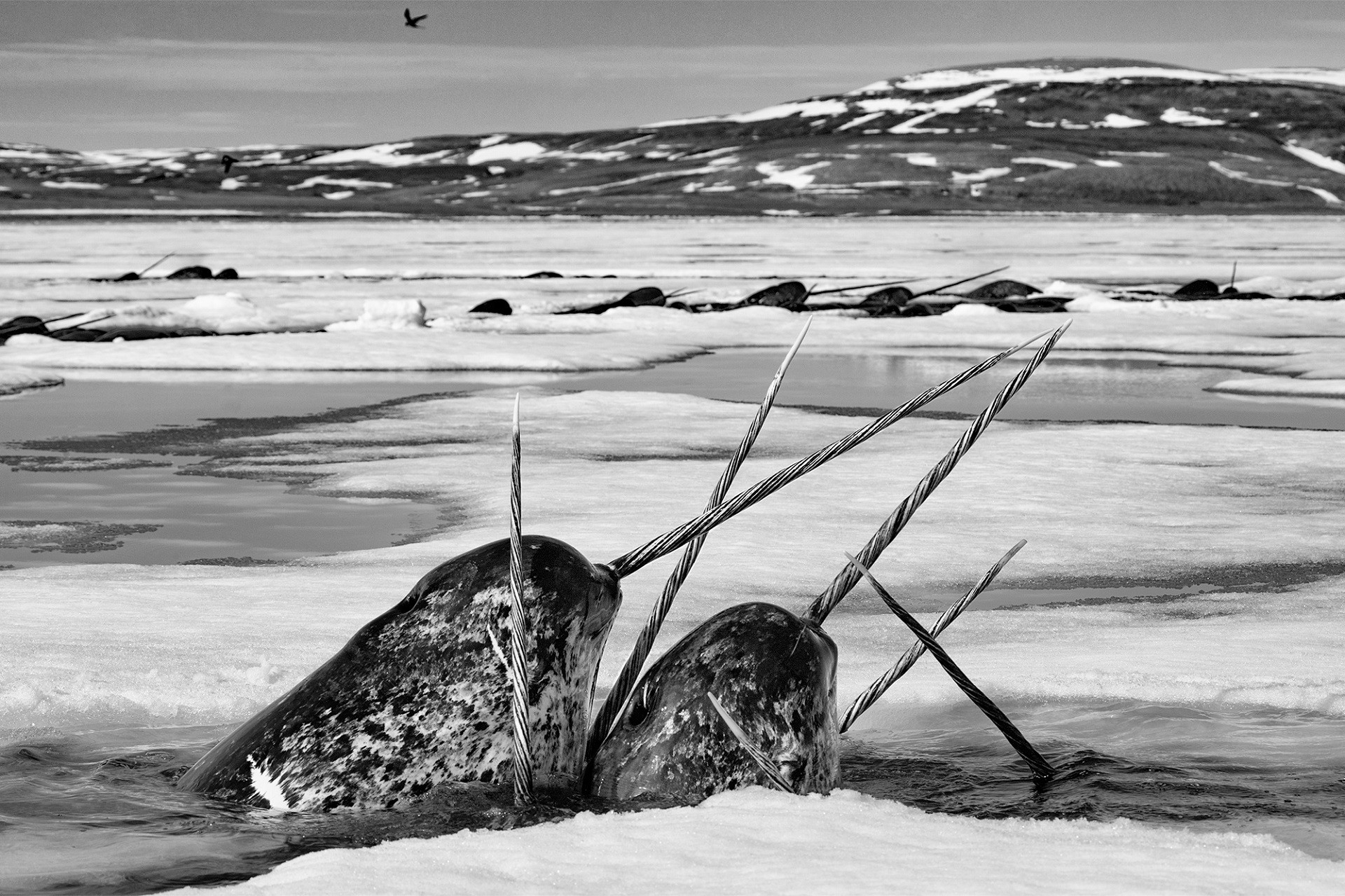
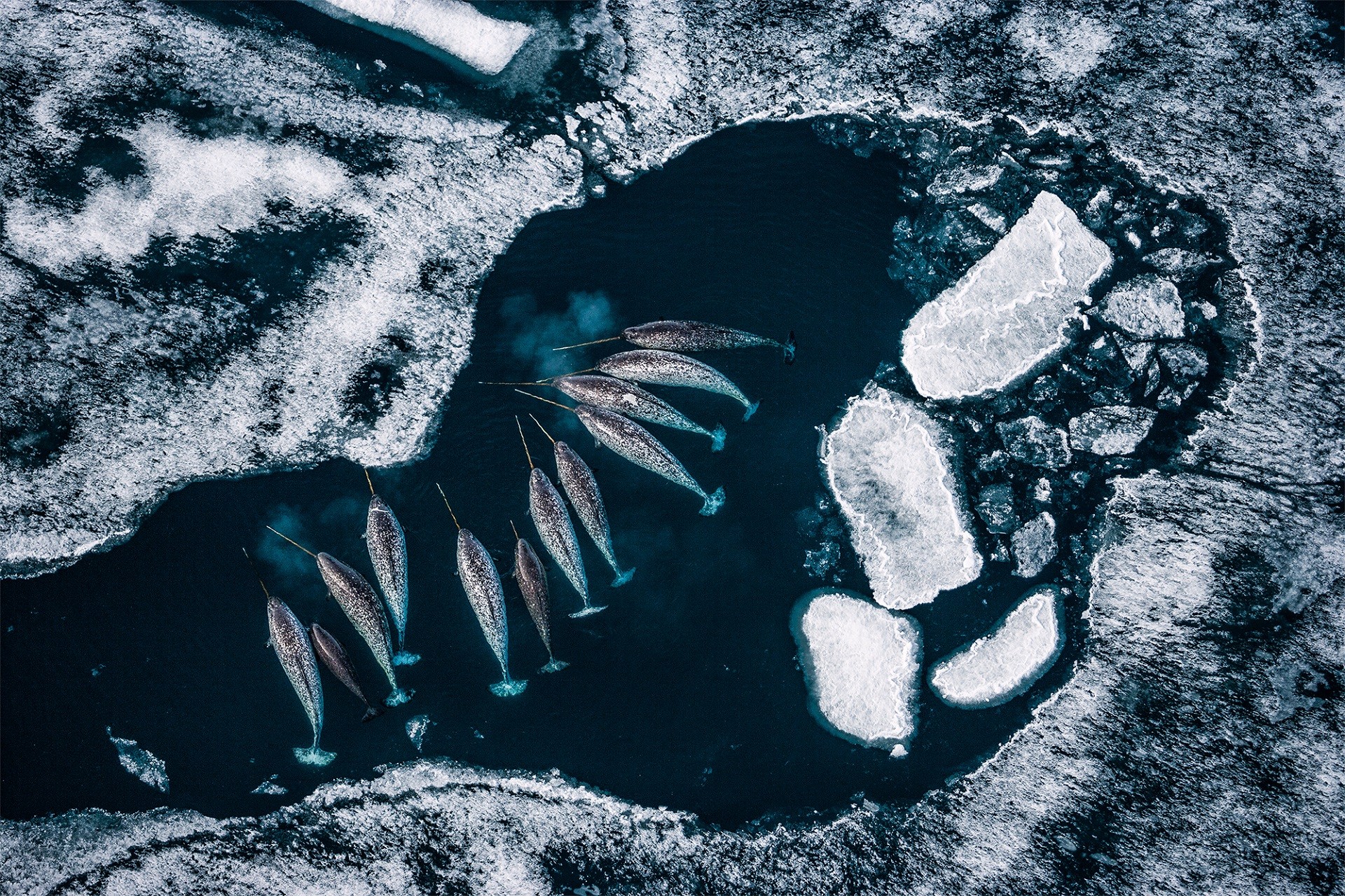
Paul Nicklen, Gathering of Unicorns
The penguin: the seabird
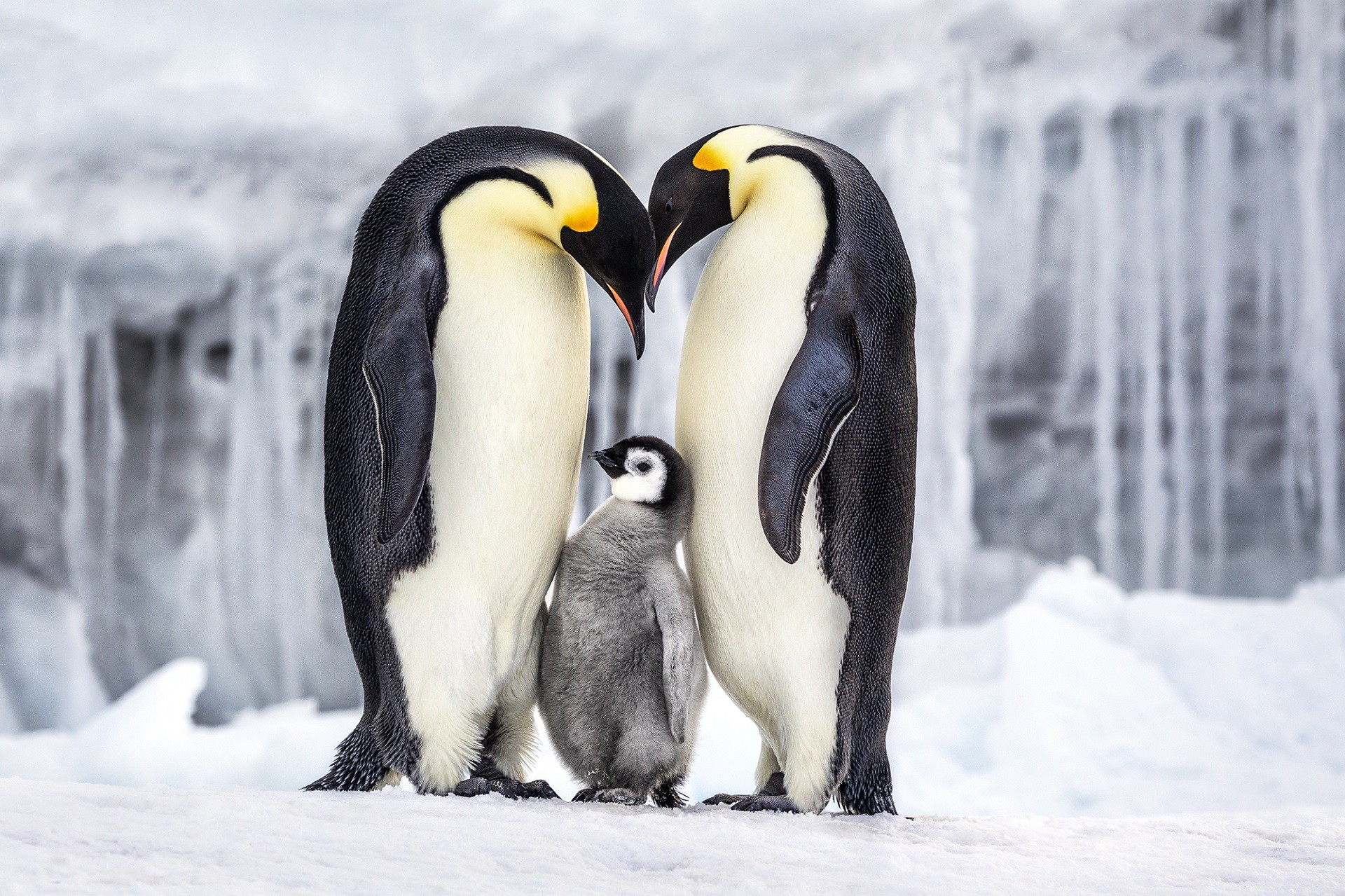
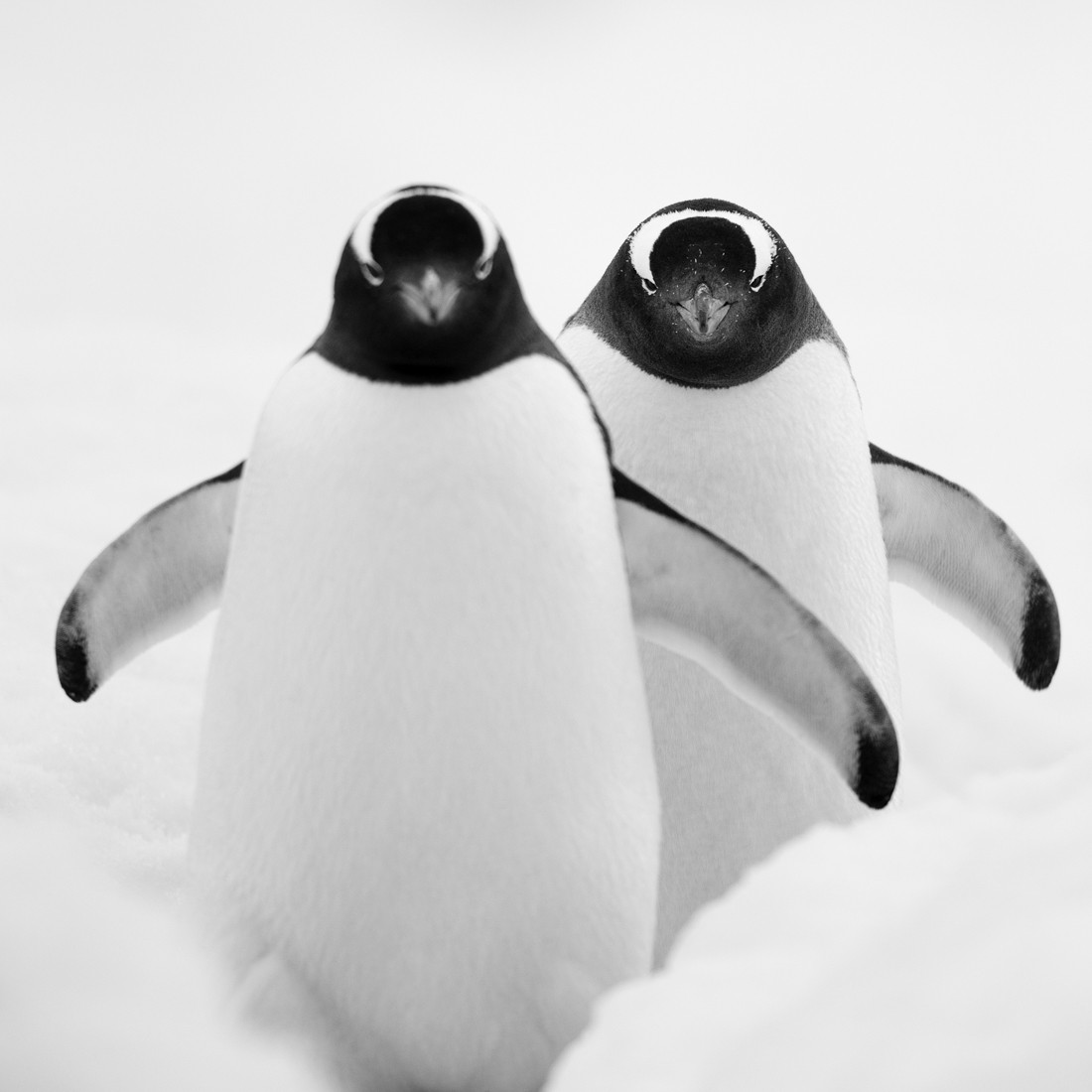
Penguins are flightless seabirds predominantly found in the southern hemisphere, where they live in colonies and exhibit highly sociable behavior. Their defense mechanism against predators involves huddling together, creating photogenic and impressive groupings.
When photographers such as Kyriakos KAZIRAS and Paul NICKLEN capture them, the moment becomes truly magical.

Polar cetaceans
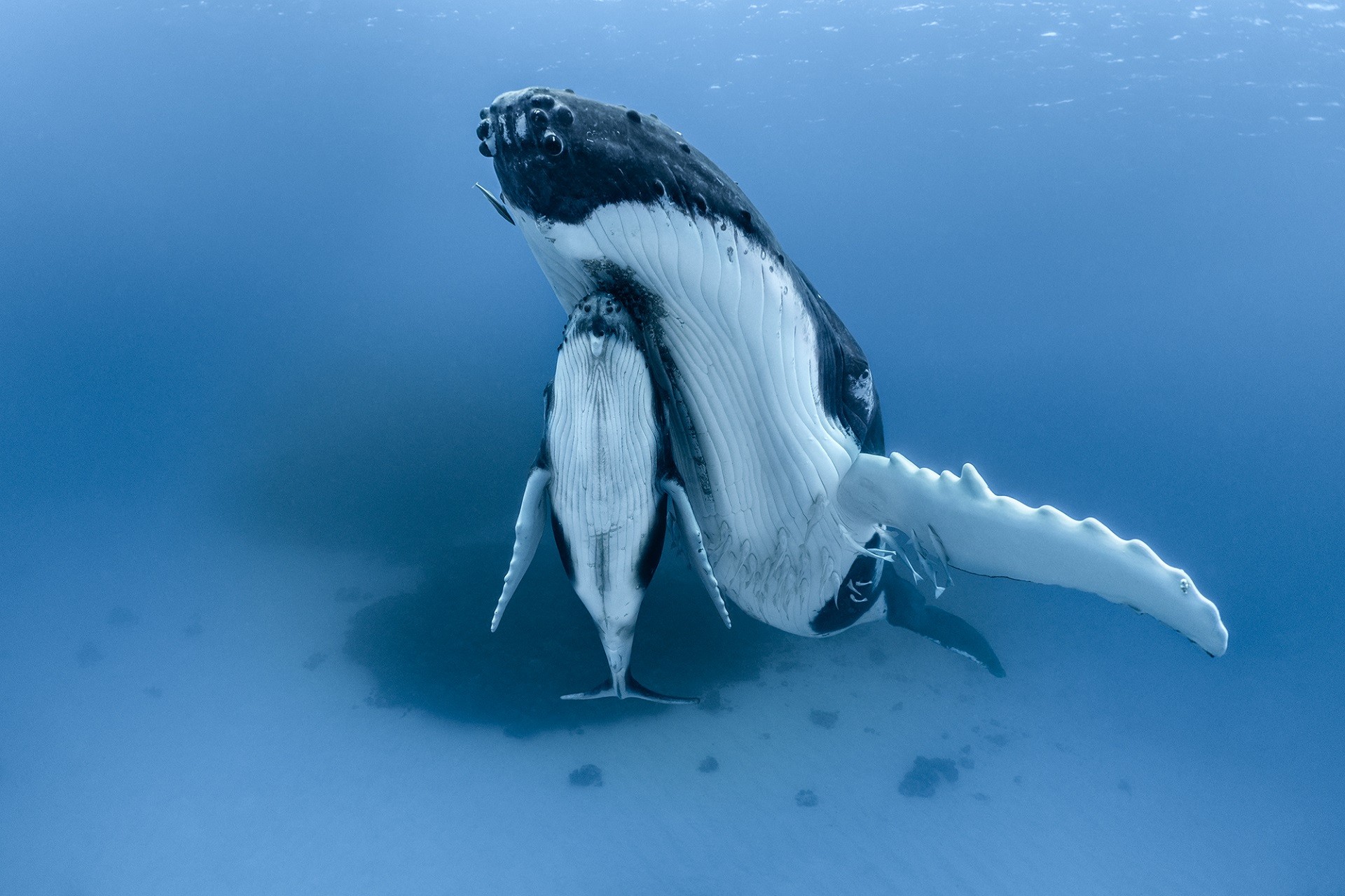
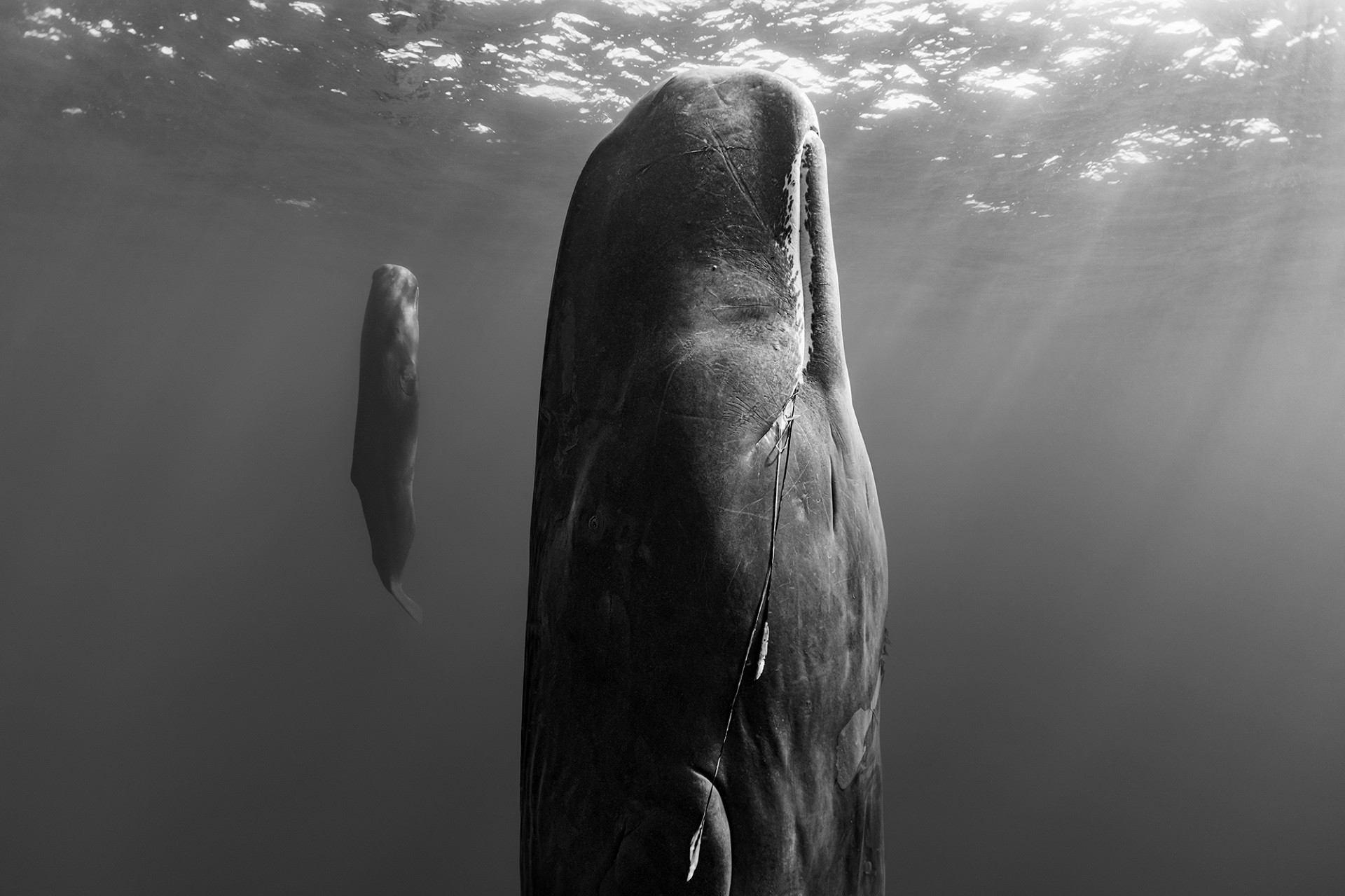
Marine creatures dwelling in Arctic waters are beloved subjects of wildlife photographers. Their impressive sizes contrast with the grace they exhibit underwater. From whales to belugas and seals, these animals captivate with their movements, as captured by Paul NICKLEN.
The polar bear
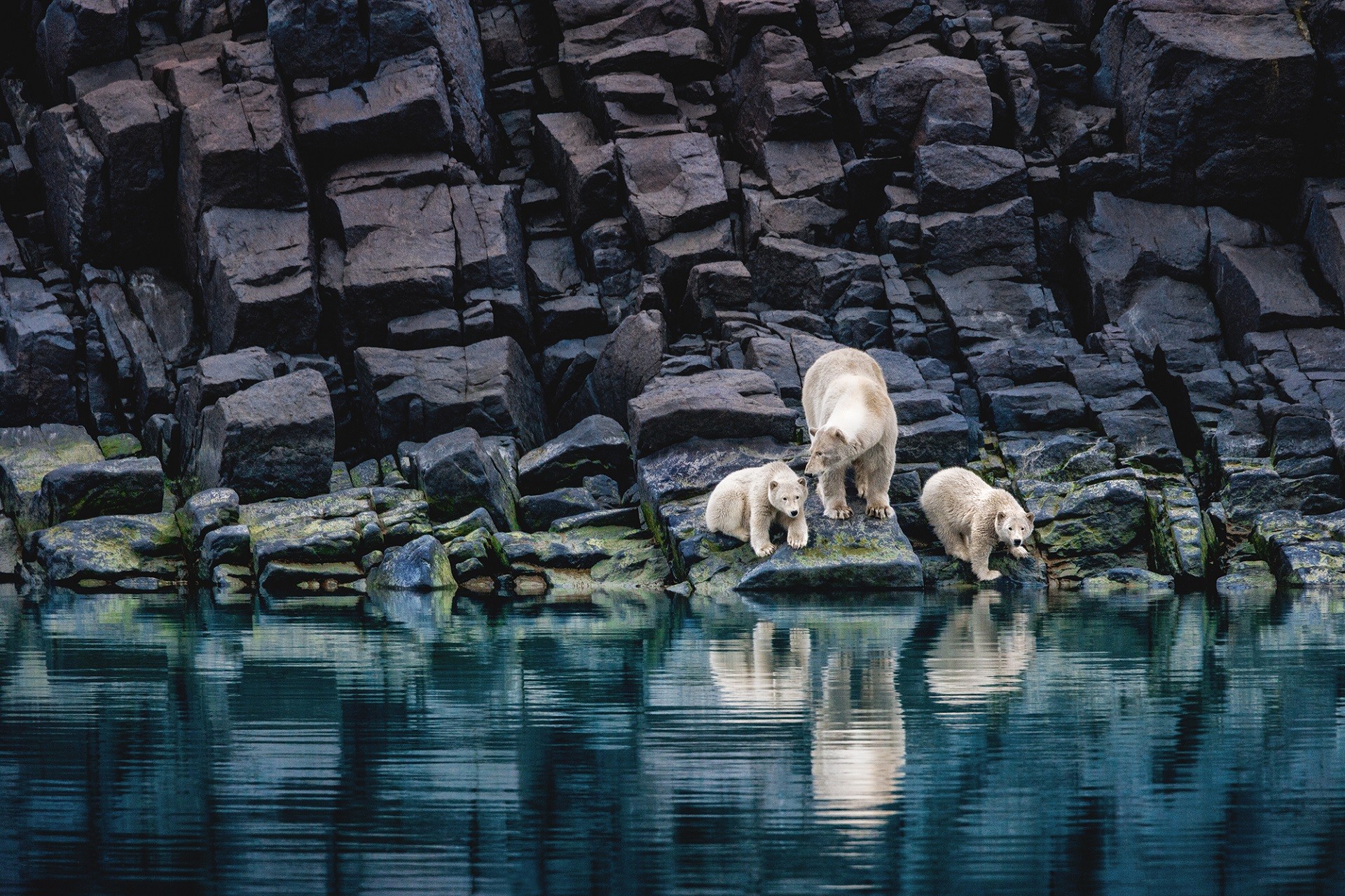
The polar bear is the epitome of Arctic ice floe animals. Its pristine white coat blends with the snow’s whiteness, creating soft and soothing photographs despite being the largest carnivore on land.
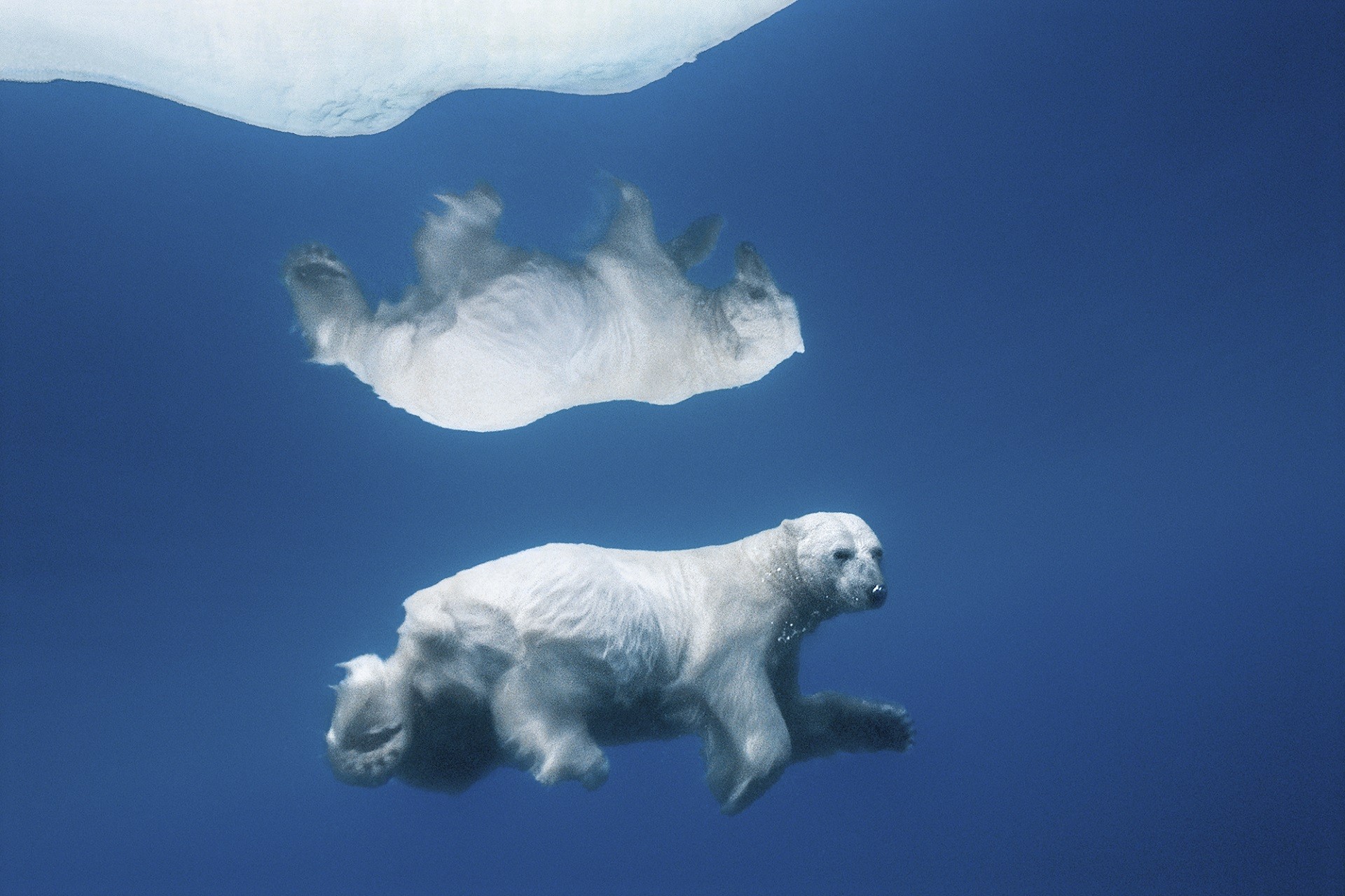
Paul Nicklen, Polar Reflections

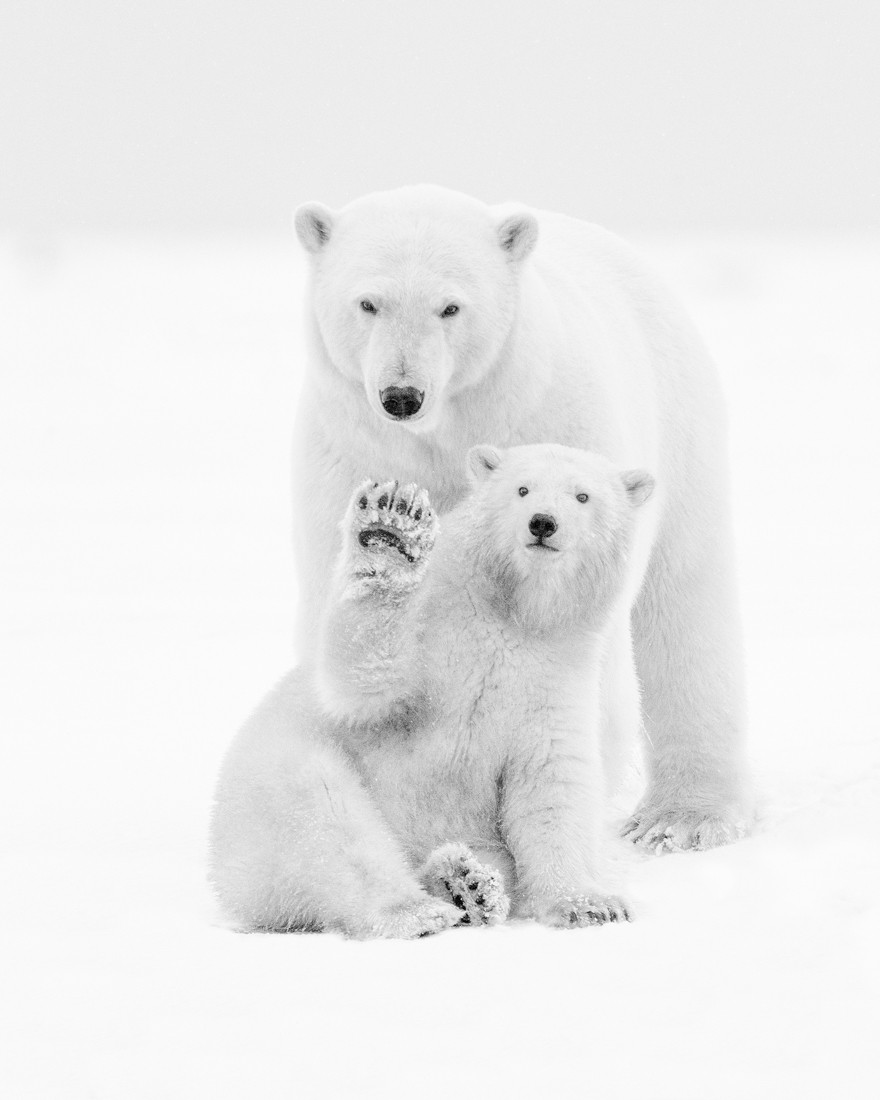
Walrus
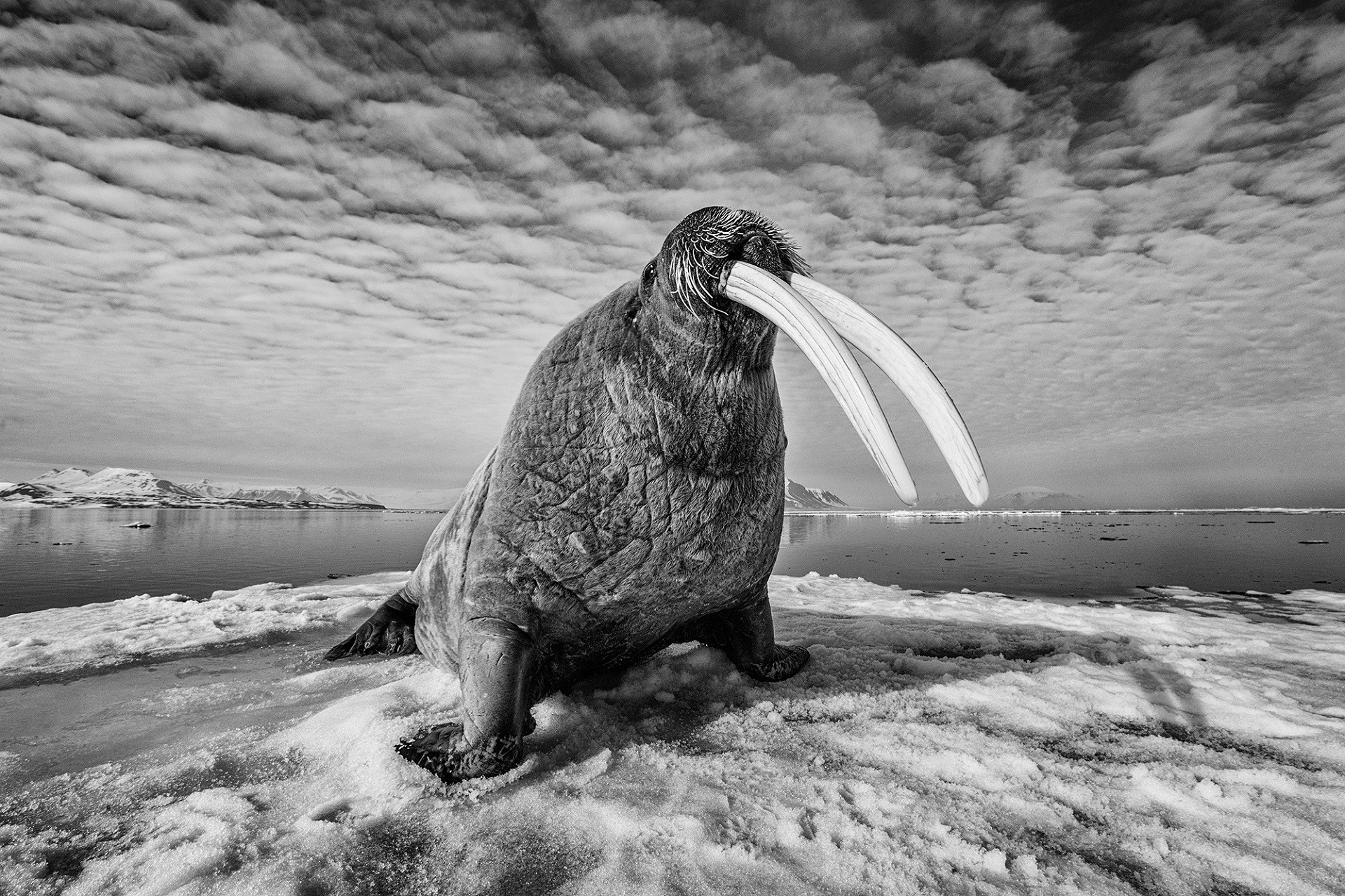
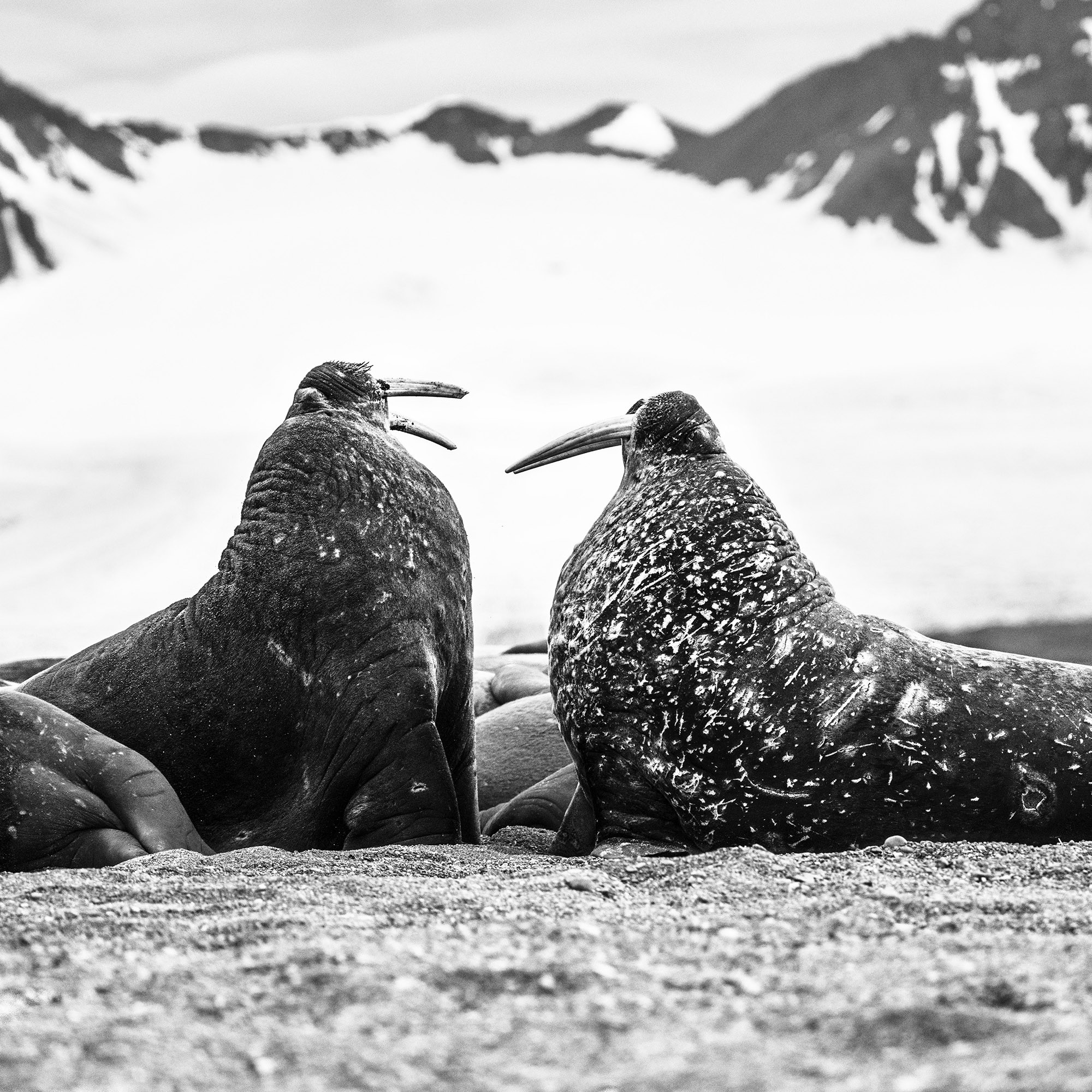
The walrus is a marine mammal that inhabits ice floes, spending much of its time resting on ice rather than swimming like other marine animals. Photographers often capture this sea giant sitting majestically on the ice floe.
The ice: a distant and fantastical space to photograph
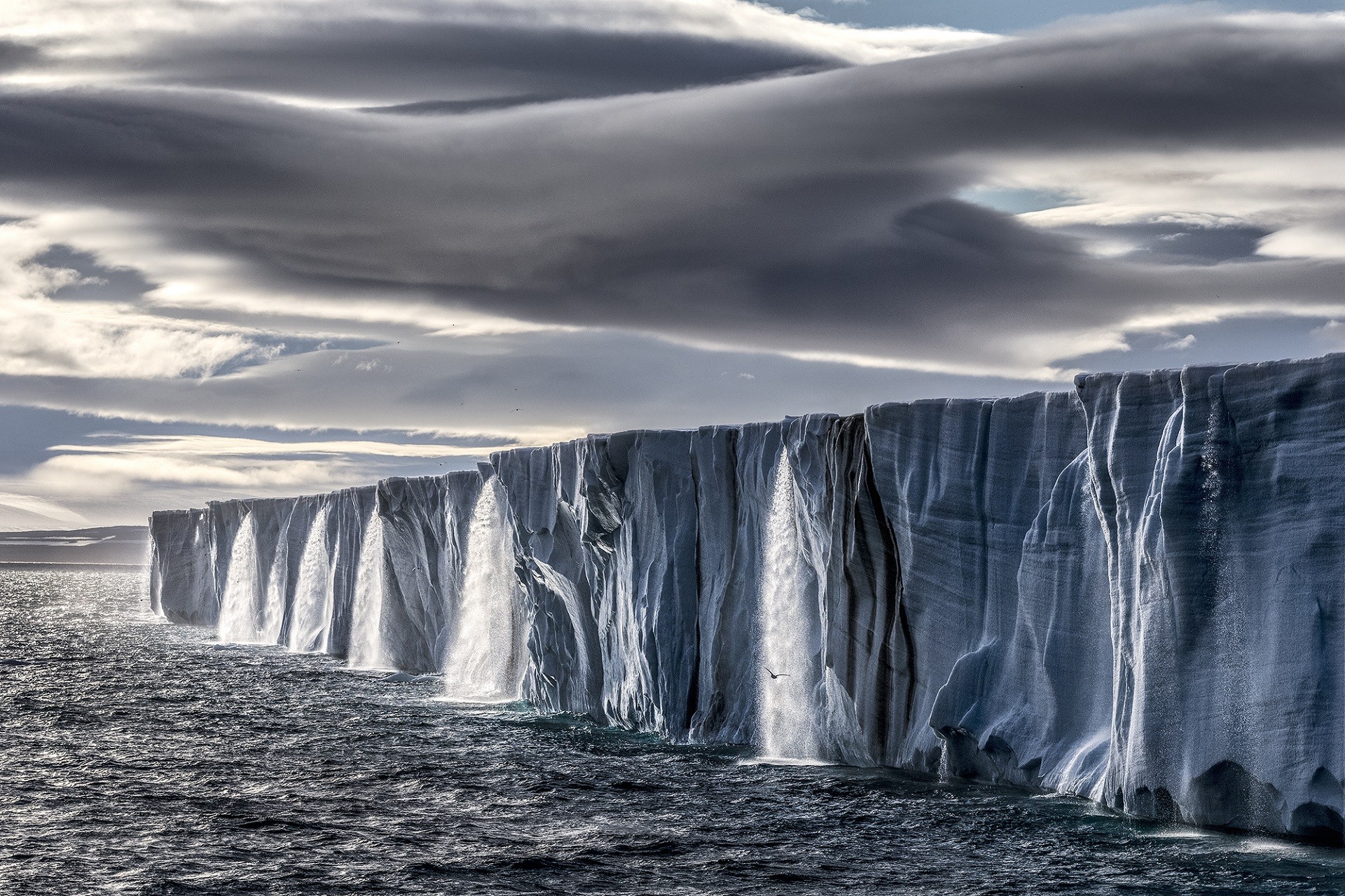
The pack ice serves as the stage where polar animals roam. It’s a vast layer of ice covering the polar oceans, offering a unique spectacle under the northern sky. This icy desert has long fueled fantasies due to its exoticism.
Stephen WILKES, through his distinctive process in the “Day to Night” series, captured the essence of this fantastical space.

Stephen Wilkes, The great july melt, Greenland, 2019, Series : Day to Night
Paul NICKLEN also presents photographs of sea ice in vibrant colors. His work provides an intimate yet masterful vision of this environment.
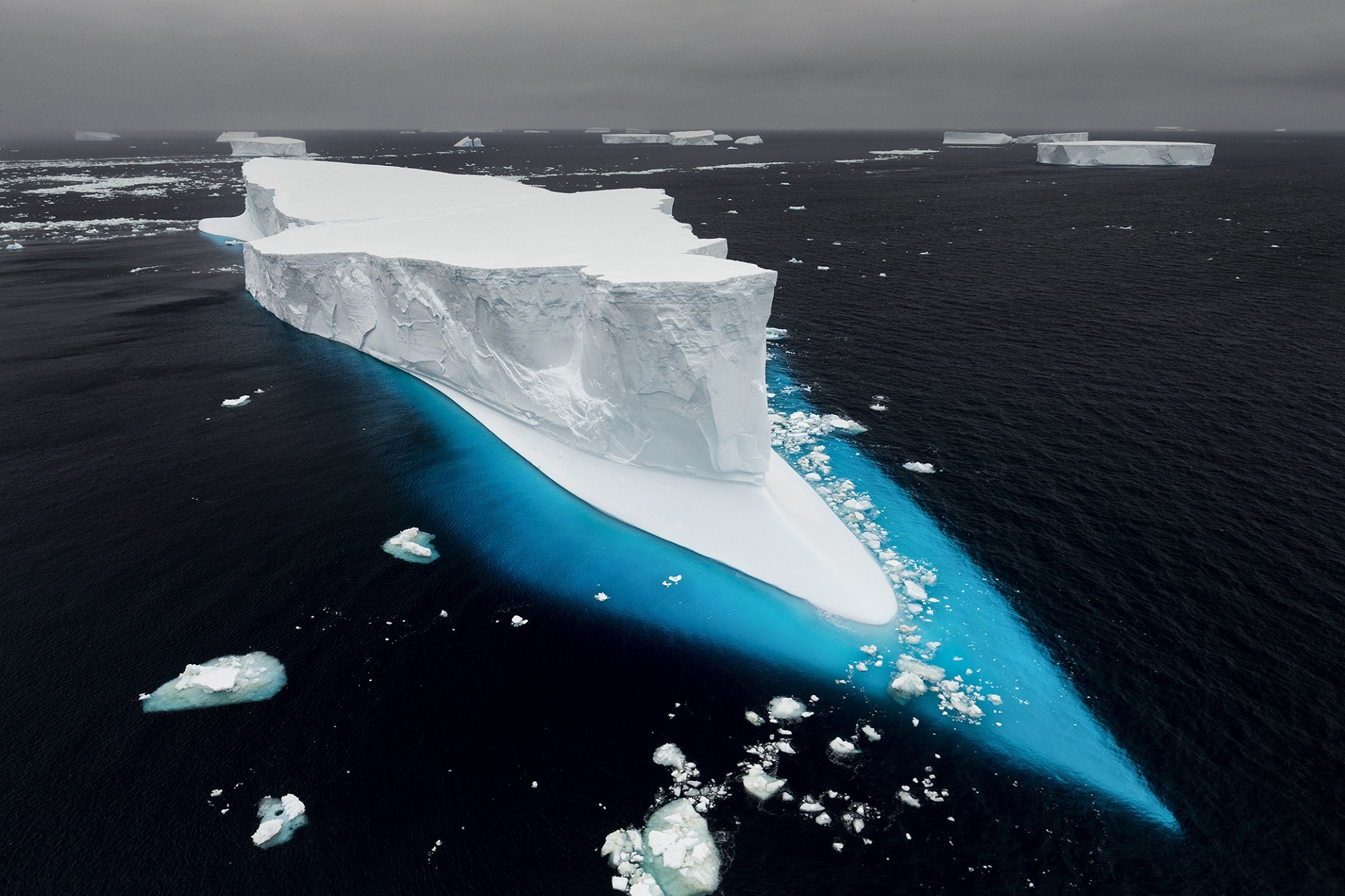
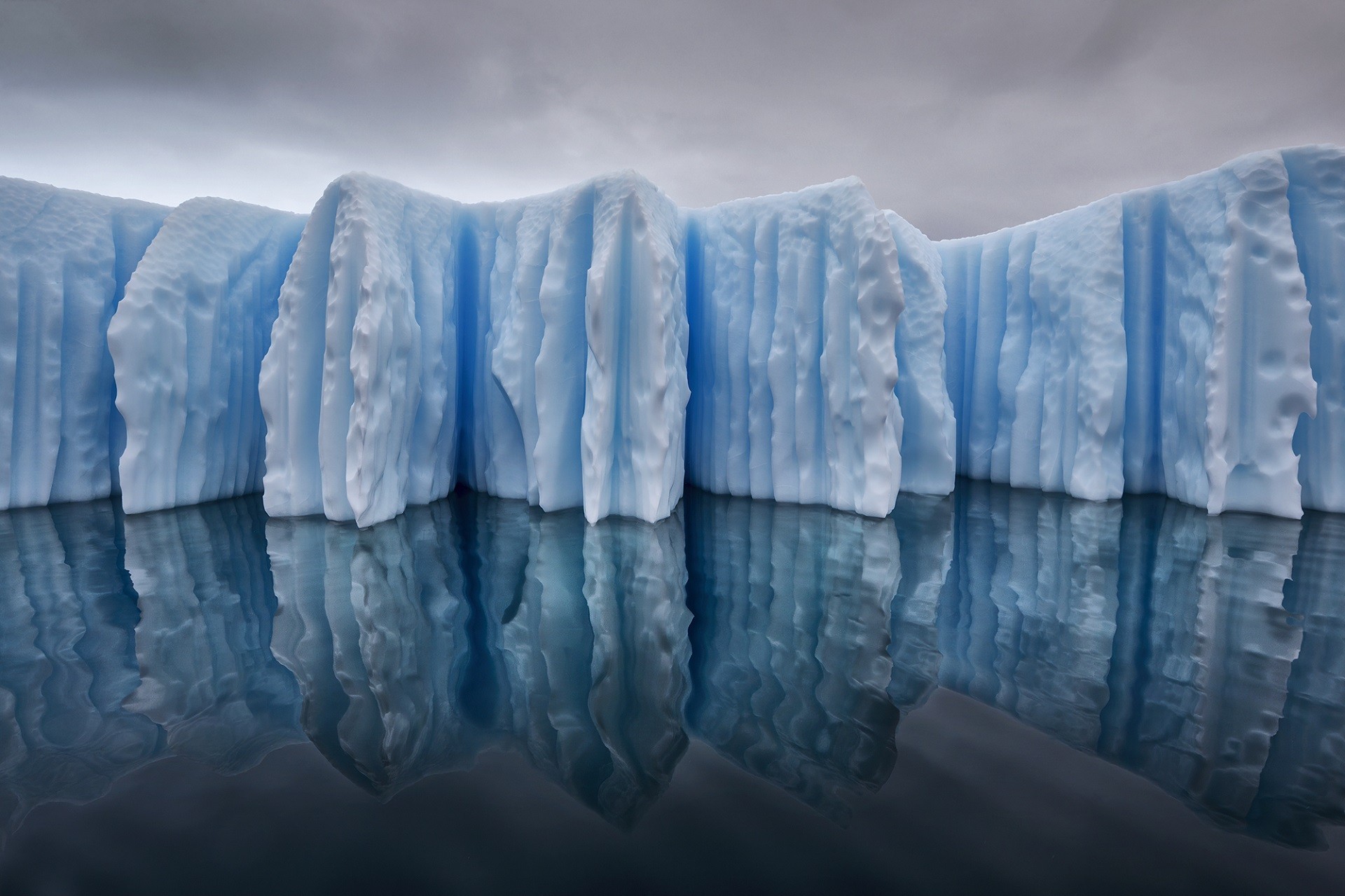
Paul Nicklen, Striations of Time
Why Are Photographs of Sea Ice Animals Fascinating?
Photographs of sea ice animals captivate us for several compelling reasons. Initially, the pack ice might seem hostile, with its freezing temperatures naturally deterring humans. However, some animals have not only adapted but thrived in this seemingly inhospitable environment, evolving alongside its challenges. Therefore, the resilience and unique characteristics of these polar creatures ignite our imagination. Through photography, we can capture both the strength and tranquility that these animals embody in their natural habitat.

Kyriakos Kaziras, Prince of Arctic
Bringing the Arctic Closer: The Appeal of Polar Animal Photography
Polar spaces often appear distant and exotic to us. However, having photographs of polar animals allows us to bring the pack ice closer to ourselves.
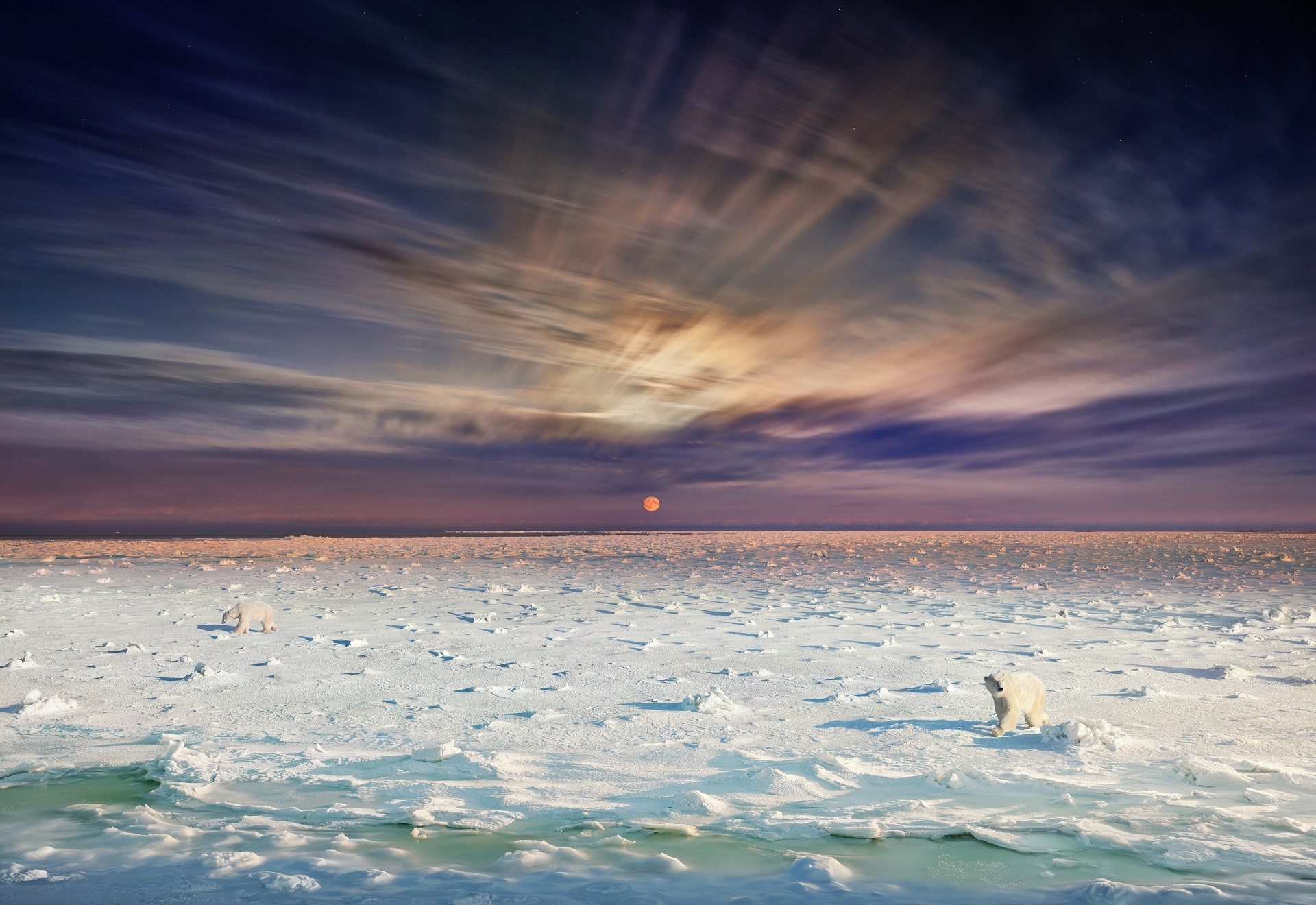
Stephen Wilkes, Ours polaires, Churchill, Manitoba, 2019, Series : Day to Night
Photographers: Leading the Charge Against Climate Change
Photographers who capture images of sea ice animals are at the forefront of the battle against global warming. They witness firsthand the impact of melting ice on the natural habitats of polar animals. Through their photographs, they have the power to raise awareness and sound the alarm about impending ecological disasters.
Stéphane AISENBERG, Paul NICKLEN, and Kyriakos KAZIRAS exemplify such photographers. Their images of sea ice animals not only showcase the resilience of these creatures but also highlight the fragility of their environment. They capture the beauty of these polar spaces juxtaposed with the looming threat they face. As viewers engage with these photographs, they are compelled to take action for the preservation of polar animals.
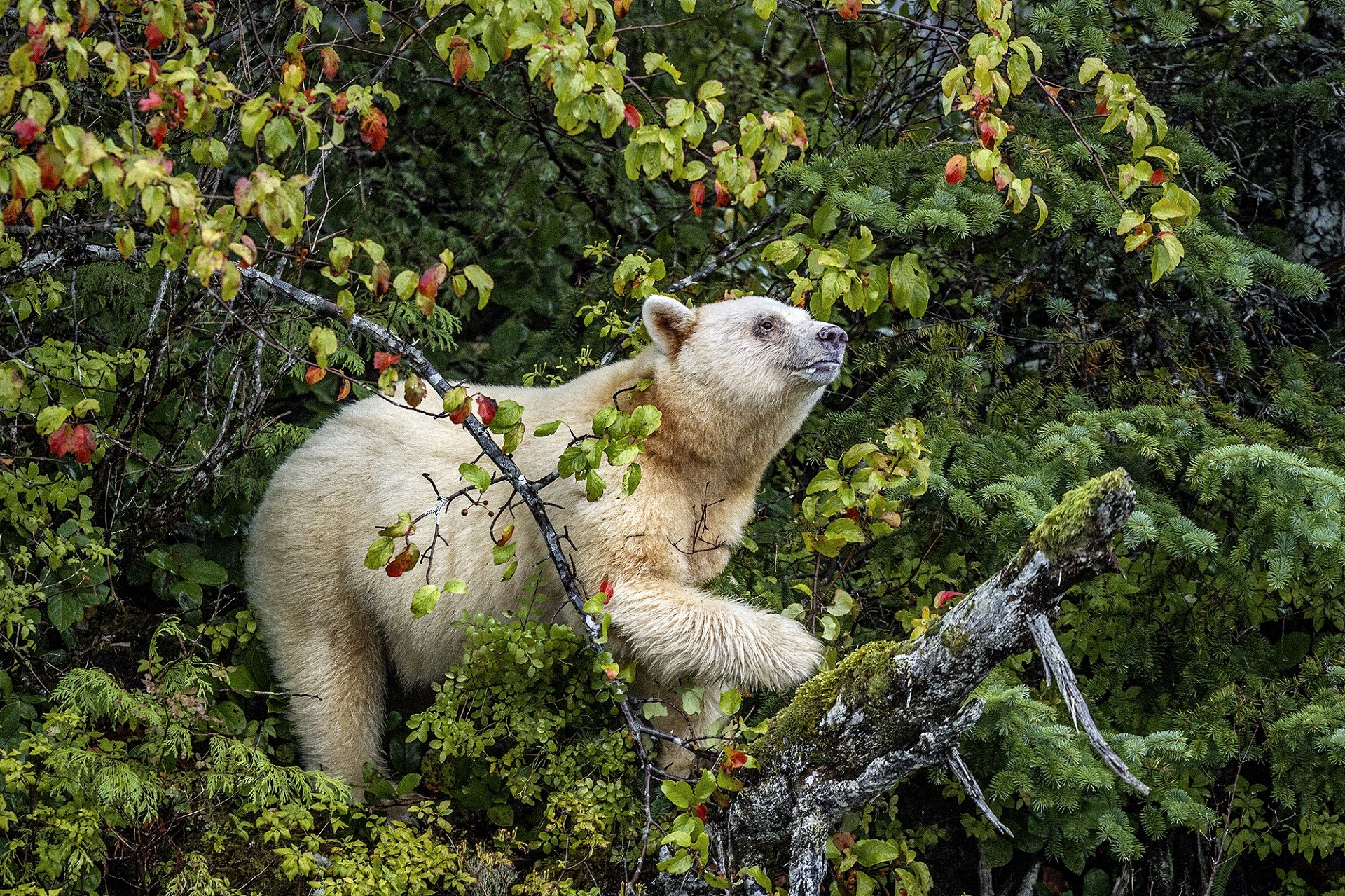
Paul Nicklen, Spirit of the Rainforest